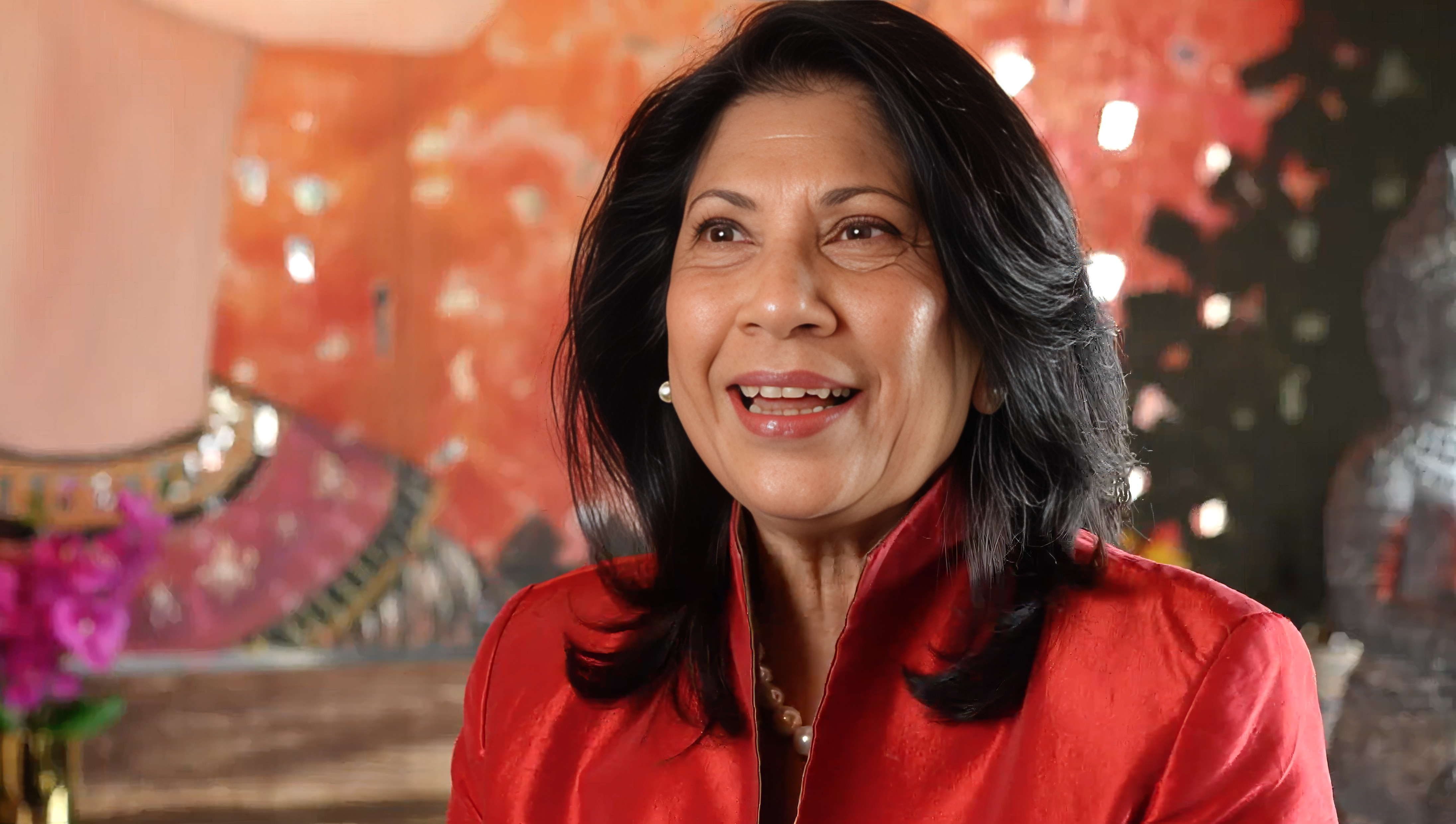
Discover Mountain Laurel Waldorf School, a nurturing Hudson Valley community where children learn through creativity, nature, and hands-on exploration. The Woodlawn Cemetery & Conservancy, located ...
In New York, Woodlawn Cemetery & Conservancy offers a window into what works for families right now - the trusted local partner that helps parents, children, and caregivers navigate the choices that shape a child's trajectory and a family's long-term well-being.
Education and family life are two of the most powerful predictors of long-term outcomes for children - more than household income, more than neighborhood, more than nearly any other variable studied. Decades of longitudinal research from the U.S. Department of Education, the National Institute of Child Health and Human Development, and the Harvard Center on the Developing Child all converge on the same conclusion: children thrive when caring adults invest time, structure, and high expectations in them across multiple environments - home, school, and community.
Modern families are navigating a fragmented landscape: career-and-technical education has become a viable path to high-wage careers, faith-based and Waldorf-inspired schools are growing as parents look for screen-free or values-aligned environments, and after-school enrichment increasingly fills gaps left by shrinking arts and STEM budgets in public schools. Mental-health resources for children, foster-care advocacy, and end-of-life planning for elderly parents have all become everyday family decisions. The unifying thread: families do better when they have trusted local partners - schools, nonprofits, counseling centers, advocates - to help carry the load.
The Woodlawn Cemetery & Conservancy, located in Bronx, NY, is an oasis that honors those buried within its grounds and encourages engagement with the community through programs, education, and training.
Programs that work for families share a small set of features regardless of size or philosophy: they know each child by name, they coordinate closely with parents, they set clear and high expectations, and they pair structure with warmth. Whether the setting is career-and-technical education, a faith-based school, a Waldorf classroom, or an after-school program, those four ingredients show up again and again in places that produce real outcomes.
Discover Mountain Laurel Waldorf School, a nurturing Hudson Valley community where children learn through creativity, nature, and hands-on exploration. Serving early childhood through middle school with a holistic Waldorf education. Outright International works with partners around the globe to strengthen the capacity of the LGBTIQ human rights movement, document and amplify human rights violations, and advocate for inclusion and equality.
Parents, grandparents, educators, and anyone making decisions about a child's education or family well-being will recognize themselves in this conversation. The specifics are rooted in New York, but the choices - what kind of school, how to support a struggling child, how to plan ahead for hard family transitions - apply nationwide.
How do I evaluate whether a school or program is right for my child?
Visit in person. Ask to see a typical day. Talk to current parents, not just admissions. Look for low student-to-teacher ratios, evidence of student work on the walls, and a culture of curiosity over compliance. The best signal is whether children appear engaged and adults appear unhurried.
What programs exist for families who can't afford private education or after-school care?
Many districts offer free or sliding-scale after-school programs, Title I funded enrichment, and community-based education partnerships. Nonprofits like 21st Century Community Learning Centers, the Boys & Girls Clubs, and faith-based programs offer affordable options nationwide. Local 211 services can connect families to programs by zip code.
How do I start hard conversations about mental health or end-of-life planning?
Pick a calm moment, lead with curiosity instead of conclusions, and frame the conversation around values rather than logistics. Reputable counselors, estate planners, and family advocates can facilitate when conversations stall.
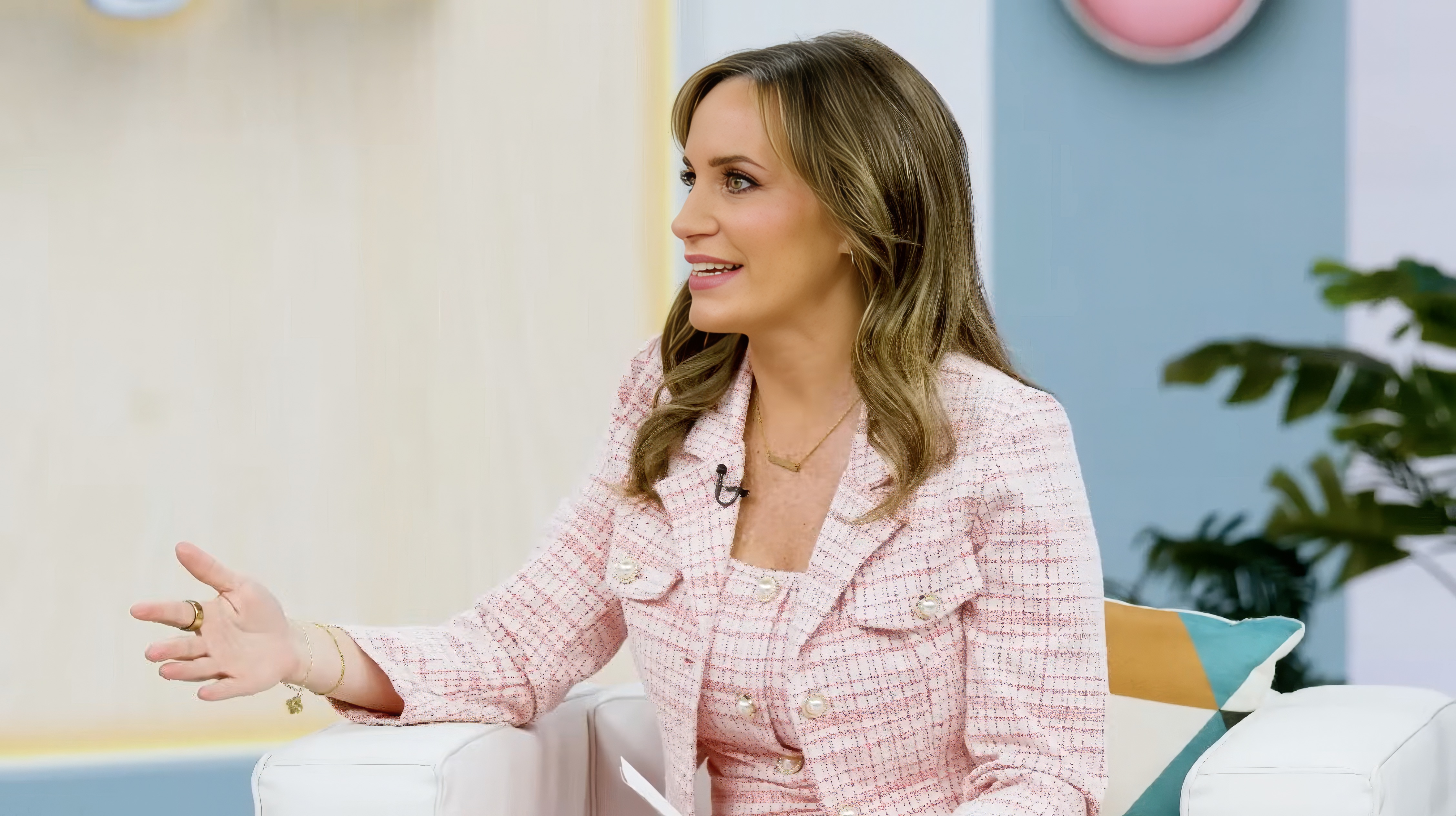
Watch the full Be The Change segment on The Balancing Act on Lifetime to see the work in action - and consider what role you might play in supporting it.