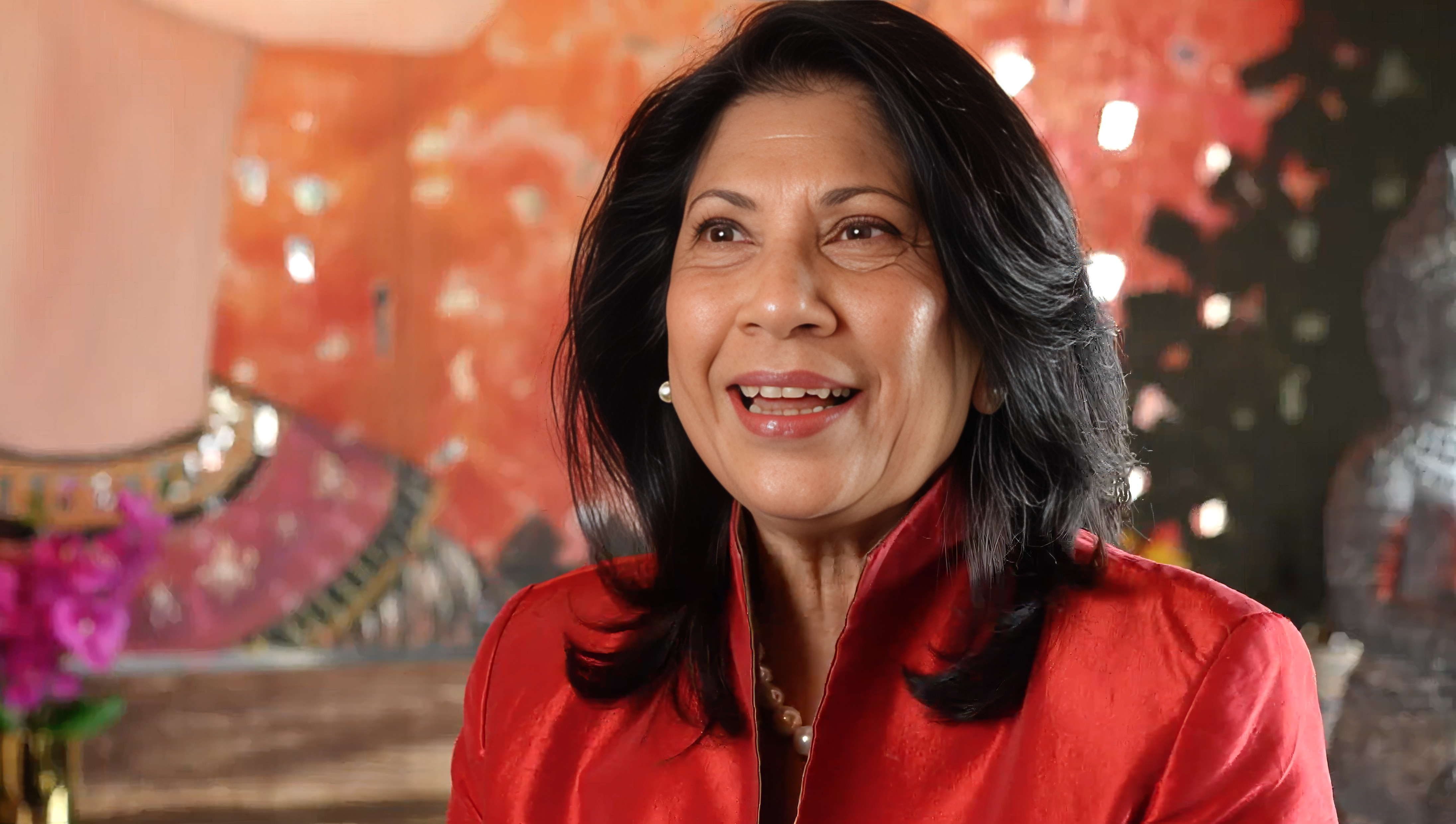
Outright International was founded in 1990 by activist Julie Dorf, with considerable involvement from other activists, like Russian author, journalist, and activist Masha Gessen. Outright Internati...
In New York, Outright International is doing the kind of patient, relational work that produces real community change - not single interventions, but the steady, year-after-year presence that builds trust and shifts outcomes.
Nonprofits and community organizations remain the backbone of how American communities solve problems too large for any single household and too local for federal programs to address efficiently. The U.S. nonprofit sector employs roughly 10 percent of the private workforce and contributes more than $1 trillion to the economy each year - but its real impact shows up in outcomes that don't fit on a balance sheet: housing stability, child welfare, civil rights, economic mobility, and dignity for people on the margins.
Generational change rarely comes from a single big intervention - it comes from organizations that show up year after year, build trust in the communities they serve, and connect the dots between housing, education, healthcare, legal protection, and economic opportunity. The strongest community organizations measure success not just by services delivered but by whether the people they serve regain stability, agency, and the capacity to help others.
Outright International works with partners around the globe to strengthen the capacity of the LGBTIQ human rights movement, document and amplify human rights violations, and advocate for inclusion and equality. Outright International was founded in 1990 by activist Julie Dorf, with considerable involvement from other activists, like Russian author, journalist, and activist Masha Gessen.
What separates effective community organizations from well-meaning ones is rarely budget or branding - it is proximity. The groups that produce real change live alongside the people they serve, hear about problems before they show up in data, and adapt programs in real time. That granular, relational work doesn't scale glamorously, but it is what actually moves the needle.
Initially called the International Gay and Lesbian Human Rights Commission, the organization aimed to eradicate the persecution, inequality, and violence lesbian, gay, bisexual, transgender, intersex, and queer (LGBTIQ) people face around the world. Through the years, the geographic focus of the organization shifted to working to promote the human rights of LGBTIQ people worldwide.
Anyone who has wondered what a single donation, a few volunteer hours, or a sustained commitment can actually accomplish will find concrete answers here. The work is rooted in New York, but the lessons - about how change really happens at the community level - are portable to any community.
How can I tell whether a nonprofit is actually effective?
Look at outcomes, not just activities. Strong nonprofits publish annual impact reports, articulate a clear theory of change, are transparent about overhead, and accept independent third-party review. GuideStar, Charity Navigator, and ProPublica's Nonprofit Explorer all let you check financials and track records.
What's the most useful thing I can give a nonprofit - money, time, or attention?
Unrestricted financial support is almost always the most useful single contribution because it lets the organization deploy resources where they're most needed. Skilled volunteering - legal, financial, design, technical - is the next-most-valuable form of help.
How do small, local nonprofits compete with large national ones?
Local organizations win on trust and relationships. They know the families by name, understand local context that national funders can't see, and adapt faster. Most national funders increasingly look for proven local partners rather than building parallel infrastructure.
Watch the full Be The Change segment on The Balancing Act on Lifetime to see the work in action - and consider what role you might play in supporting it.